Mushrooms are found throughout nature, from forest floors and gardens to vast underground networks that support entire ecosystems. Despite their widespread presence, fungi remain relatively misunderstood. Neither plant nor animal, they belong to their own biological kingdom and continue to be the subject of growing scientific interest.
For centuries, cultures around the world have included mushrooms in their traditional diets and practices. Across Asia, Europe, and the Americas, they have been valued as part of everyday life, healthier choice and culinary traditions.
In recent years, interest in these ingredients has increased as modern consumers rediscover their versatility and historical relevance.
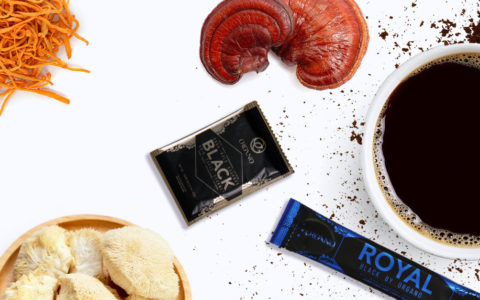
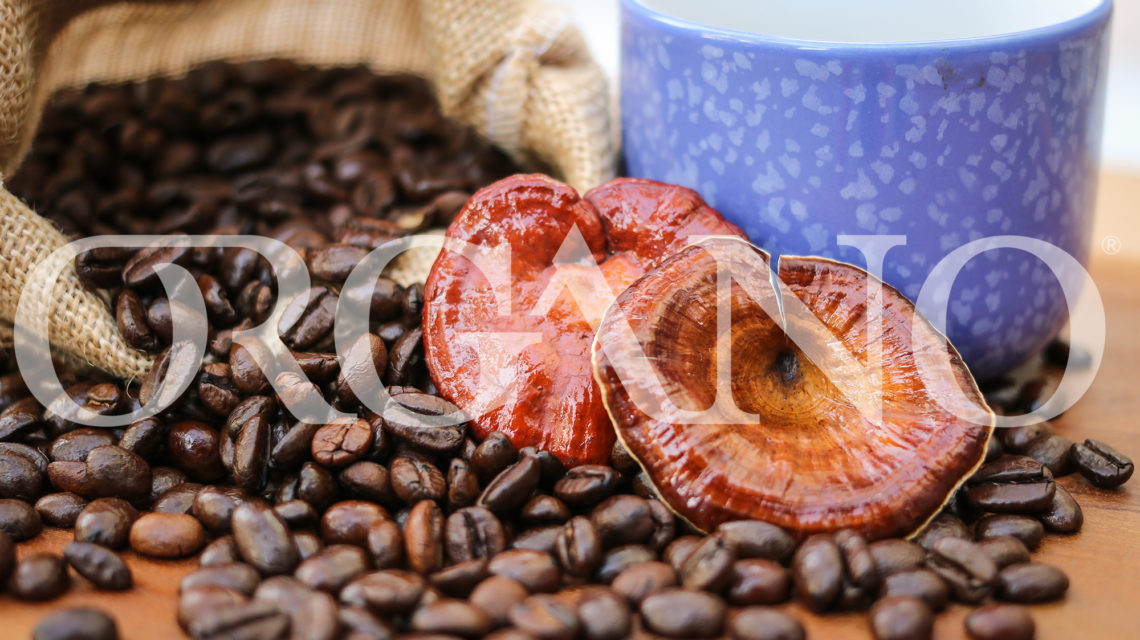
Today, many mushrooms are appreciated for their nutritional profile. They naturally contain polysaccharides, including beta-glucans, as well as fibre and triterpenoid compounds, depending on the species and processing methods. Certain varieties, including reishi, lion’s mane, cordyceps and more, are widely used in food supplements, food and beverage products developed for wellness-oriented consumers.
Scientific research continues to explore the properties of different mushroom species and their potential role within balanced diets. While studies are ongoing, this growing body of research has encouraged the responsible inclusion of mushroom-derived ingredients in a range of consumer products.
Functional mushrooms are now incorporated into many everyday formats, including powders, capsules, teas, coffees, and snack products. This allows individuals to consume these ingredients into their routines in practical and accessible ways, without significant changes to lifestyle.

Sustainability is also an important factor in the development of the mushroom sector. Many varieties can be cultivated using environmentally responsible methods and require relatively limited resources. For this reason, producers increasingly focus on organic practices, ethical sourcing, and transparent supply chains.
The industry must operates within established regulatory frameworks governing labelling, marketing, and manufacturing standards. These rules are designed to ensure accurate product information, prevent misleading communication, and protect consumers.
International trade in mushroom-based products is shaped by different regulatory requirements across markets. Adherence to these standards promotes accountability and encourages the continued development of high-quality offerings worldwide.
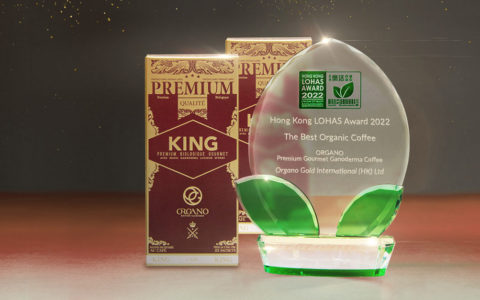
ORGANO® can be considered one of the early pioneers of the mushroom-based product concept within this industry.
At ORGANO®, quality is central to our approach. All mushrooms used in our products are certified organic, and our mushroom-enriched products are manufactured in accordance with Good Manufacturing Practices. This ensures high standards of consistency, purity, and control at every stage of production and reflects a long-term commitment to responsible manufacturing and consumer trust.
Although mushrooms have been used for generations, scientific research in this field continues to evolve. As knowledge expands, fungi are increasingly recognised not only for their culinary value, but also for their role within modern approaches to nutrition, sustainability, and informed consumption.

This website is not to be used as a substitute for medical advice, diagnosis or treatment of any condition. Users of this Website should not rely on information provided on this Website for their own concerns. Any questions regarding your own well-being should be addressed to your physician or another qualified healthcare provider.